
Chronic Sinus Infection
(Sinusitis) treatment in Puducherry
Sinus infection, medically called sinusitis, is a common condition that occurs when the air-filled spaces around your nose (sinuses) become inflamed or infected. It can affect both adults and children and often follows a cold, allergy episode, or nasal blockage.

At Aram Advanced Healthcare, Puducherry, we provide comprehensive evaluation and advanced treatment for acute and chronic sinus problems.
What Are Sinuses?
Sinuses are air-filled cavities located in the forehead, cheeks, and around the eyes. They help:
- Reduce skull weight
- Improve voice resonance
- Warm and filter inhaled air
When sinus openings become blocked, mucus accumulates, leading to infection and inflammation.

Common Symptoms of Sinus Infection
- Facial pain/pressure (forehead, cheeks)
- Nasal blockage
- Thick yellow/green discharge
- Post-nasal drip
- Headache
- Reduced sense of smell
- Fever (acute cases)
- Bad breath
- Ear fullness
Types of Sinusitis
Acute
Lasts <4 weeks, usually after viral cold.
Subacute
Lasts 4–12 weeks.
Chronic
>12 weeks, may involve polyps, allergies, deviated septum.
Recurrent
Multiple episodes in a year.
Causes
- Viral infections
- Bacterial infections
- Allergies
- Deviated nasal septum
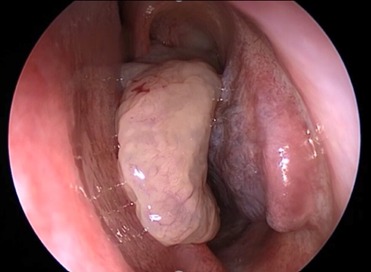
- Nasal polyps
- Dental infections
- Pollution and environmental irritants
Diagnosis
At Aram Advanced Healthcare, Puducherry evaluation will include:
- Detailed ENT examination
- Nasal endoscopy
- CT scan of sinuses (if required)
- Allergy evaluation (selected cases)
Treatment Options
Treatment depends on the type and severity of sinusitis.
Medical Management
- Antibiotics (if bacterial infection suspected)
- Nasal steroid sprays
- Anti-allergic medications
- Pain relief medications
Advanced Treatment – FESS
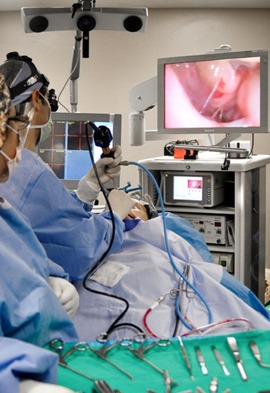
For chronic or recurrent sinusitis not responding to medicines, Aram Advanced Healthcare, Puducherry offers Endoscopic Sinus Surgery (FESS) – a minimally invasive, camera-guided procedure to clear blocked sinuses and restore normal drainage.
Benefits include:
How the Procedure Is Done
- Performed under general anesthesia
- No external incision
- High-definition endoscope for precision
- Diseased tissue removed while preserving normal structures
- Usually 1-day hospital stay
Advanced techniques such as image-guided surgery may be used in complex cases for enhanced safety.
Recovery After Sinus Surgery
- Mild nasal congestion for a few days
- Minimal pain compared to traditional surgery
- Nasal saline washes advised
- Most resume routine activities within a week
- Follow-up visits important for cleaning and healing
Full improvement in breathing and symptom relief typically occurs over a few weeks.
When to See an ENT Specialist?
- Persistent symptoms beyond 10 days
- Severe facial pain
- Swelling around the eyes
- High fever
- Recurrent sinus infections
- Vision changes
Why Choose Aram Advanced Healthcare?
- Experienced ENT specialists
- Advanced diagnostic endoscopy
- Minimally invasive sinus surgery
- Patient-focused care
- Clean, modern facilities in Puducherry
Frequently Asked Questions
A common cold usually improves within 5–7 days. A sinus infection is suspected if symptoms last more than 10 days, worsen after initial improvement, or include facial pain, thick nasal discharge, and persistent nasal blockage.
No. Most acute sinus infections are viral and improve with supportive treatment. Antibiotics are only required when a bacterial infection is strongly suspected.
Yes. Blocked sinuses can cause pressure headaches and ear fullness due to pressure imbalance.
A CT scan is usually advised in chronic sinusitis, recurrent infections, suspected complications, or before planning sinus surgery. It helps assess sinus blockage and structural problems.
Modern endoscopic sinus surgery is generally safe and well-tolerated. Most patients experience mild discomfort and can return to routine activities within a few days.
Although rare, untreated severe sinus infections can spread to nearby areas like the eyes or brain. Early treatment prevents such serious complications.
Yes. Children can also develop sinusitis, especially after frequent colds.