
Chronic Adenoid Hypertrophy
Adenoid Hypertrophy Treatment & Adenoidectomy Surgery in Puducherry
Comprehensive care for enlarged adenoids in children at Aram Advanced Healthcare

What Is Adenoid Hypertrophy?
Adenoids are lymphoid tissues located at the back of the nose (behind the nasal cavity). They play a role in immunity during early childhood. Adenoid hypertrophy refers to abnormal enlargement of the adenoids. When this enlargement persists and causes ongoing symptoms, it is called chronic adenoid hypertrophy. This condition is most seen in children.
Why Do Adenoids Become Enlarged?
- Repeated upper respiratory infections
- Allergies
- Chronic sinus infections
- Genetic predisposition
Over time, persistent inflammation leads to blockage of the nasal airway.
Symptoms of Chronic Adenoid Hypertrophy
Children with enlarged adenoids may have:
- Persistent nasal blockage
- Mouth breathing
- Loud snoring
- Disturbed sleep
- Recurrent ear infections
- Hearing difficulty
- Nasal-sounding speech
- Daytime irritability due to poor sleep
In severe cases, long-standing mouth breathing may affect facial growth and dental alignment.
How Does It Affect Hearing?
The adenoids are located near the opening of the Eustachian tube (which connects the ear to the nose). When enlarged, they can block this tube, leading to:
- Fluid collection in the middle ear
- Recurrent ear infections
- Temporary hearing loss
How Is It Diagnosed?
An ENT specialist evaluates the child through:
- Clinical examination
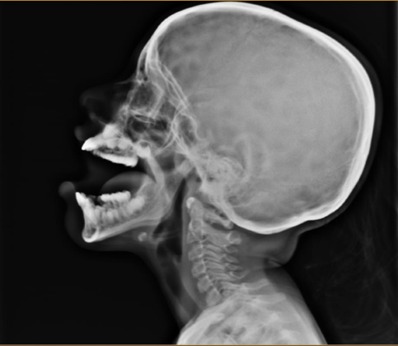
- Nasal endoscopy (a small camera to visualize adenoids) / X-ray of nasopharynx
- Hearing tests if required
Endoscopic evaluation provides accurate assessment and helps guide treatment decisions.
Treatment Options
1. Medical Management
Mild cases may be treated with:
- Nasal sprays
- Anti-allergy medications
- Treatment for infections
However, medical treatment may not permanently reduce significantly enlarged adenoids.

2. Adenoidectomy (Surgical Removal of Adenoids)
When symptoms are persistent or not responding to medical management, adenoidectomy is recommended.
When Is Surgery Needed?
- Persistent mouth breathing
- Snoring with sleep disturbance
- Recurrent ear infections
- Hearing problems
- Failure of medical treatment
Is Adenoidectomy Safe?
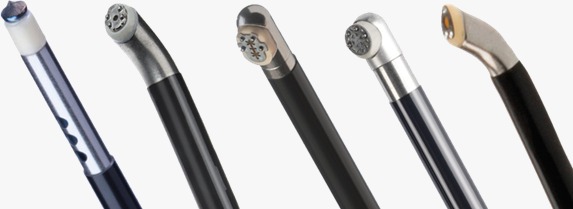
Yes. Adenoidectomy is a safe and commonly performed procedure in children. Modern techniques like microdebrider and Coblation allow:
Recovery After Surgery
- Mild throat discomfort for a few days
- Soft diet for a short period
- Most children resume normal activities within a week
Why Early Treatment Matters
Ignoring chronic adenoid hypertrophy can lead to:
- Poor sleep quality
- Learning difficulties
- Speech delay
- Recurrent ear problems
Frequently Asked Questions
Adenoid hypertrophy is most common in children between 2 and 10 years of age. It is rare in adults.
Common signs include: constant mouth breathing, loud snoring, blocked nose without cold, restless sleep, recurrent ear infections, hearing difficulty. If these persist, an ENT evaluation is recommended.
Surgery is usually advised if the child has persistent mouth breathing, sleep disturbance or snoring, recurrent ear infections, hearing loss, or poor response to medical treatment.
No. It is a short and safe procedure performed under general anesthesia. Most children go home the same day.
No. The body has many other immune tissues. Removing chronically infected adenoids does not weaken overall immunity.