
Chronic Tonsillitis
Treatment for repeated tonsil infection in Puducherry
Recurrent Throat Infections That Keep Coming Back

Chronic tonsillitis is a condition where the tonsils remain persistently inflamed or repeatedly infected over a long period. While occasional sore throats are common, frequent or ongoing tonsil infections can significantly affect daily life, sleep, work, and school performance. Early evaluation helps prevent complications and provides long-term relief.
At Aram Advanced Healthcare, Puducherry, we provide a comprehensive treatment plan based on the evidence and complete evaluation.
What Is Chronic Tonsillitis?
The tonsils are two lymphoid tissues located at the back of the throat that help fight infections. When they become repeatedly infected or remain inflamed for months, the condition is called chronic tonsillitis. Unlike acute tonsillitis (sudden infection), chronic tonsillitis may present with milder but persistent symptoms.
- Recurrent sore throat
- Pain/difficulty swallowing
- Frequent throat infections (multiple/year)
- Persistent bad breath
- Enlarged tonsils
- Swollen neck glands
- Snoring or disturbed sleep
- Feeling of something stuck in throat
In children, it may also affect appetite, sleep quality, and overall growth.
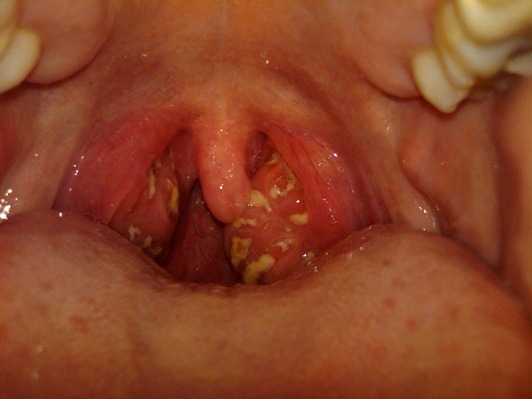
Causes
Chronic tonsillitis may occur due to:
- Repeated bacterial or viral infections
- Incomplete recovery from previous infections
- Deep tonsillar crypts trapping debris and bacteria
- Reduced immunity
Over time, the tonsils themselves can become a source of ongoing infection.
When Should You See an ENT Specialist?
- 5–7 or more infections per year
- Symptoms persist despite medications
- Difficulty breathing or swallowing
- Snoring or sleep apnea develops
- History of peritonsillar abscess
Treatment Options
Medical Management
For mild cases:
- Antibiotics (if bacterial infection)
- Pain relief medication
- Gargles and supportive care
- Immune support and preventive advice
However, medical treatment may only provide temporary relief in chronic cases.
Tonsillectomy – Surgical Removal of the Tonsils
Tonsillectomy is recommended when infections are frequent, severe, or affecting quality of life.
Advanced Tonsil Surgery Techniques
At Aram Advanced Healthcare, Puducherry we use modern techniques such as:
- Coblation Tonsillectomy – Uses controlled radiofrequency energy for minimal tissue damage
- Electrocautery or other advanced methods depending on patient needs

These techniques offer:
How the Procedure Is Performed
- Done under general anesthesia
- No external cuts
- Duration: approximately 30–45 minutes
- Usually a short hospital stay or day-care procedure
Recovery After Tonsil Surgery
- Mild to moderate throat pain for a few days
- Soft diet recommended initially
- Adequate hydration is important
- Most children return to school within 7–10 days
- Adults may require slightly longer recovery
Proper post-operative care ensures smooth healing.
Benefits of Tonsillectomy
Why Early Treatment Matters
Untreated chronic tonsillitis can lead to:
- Recurrent absenteeism from school or work
- Sleep disturbance
- Breathing difficulty
- Spread of infection
- Reduced quality of life
Proper evaluation ensures safe, effective, and lasting relief.
Frequently Asked Questions
The tonsils can develop deep crypts (small pockets) where bacteria accumulate. Over time, this leads to repeated infections and ongoing inflammation.
Treatment options include medications for infection control, supportive care (gargles, pain relief), and tonsillectomy in recurrent or severe cases.
Yes. Tonsillectomy is a commonly performed and safe procedure when done by an experienced ENT surgeon. Modern techniques allow minimal bleeding, less pain, and faster recovery.
No. The body has multiple other immune tissues. Removing chronically infected tonsils does not weaken overall immunity.
Tonsillectomy can be safely performed in both children and adults. It is commonly done in children over 3 years of age when recurrent infections or breathing problems are present.
Mild to moderate throat pain is expected for a few days after surgery. However, with modern surgical techniques and proper pain management, discomfort is well controlled and recovery is smoother than before.
Most children can return to school within 10–14 days, once pain reduces and normal eating resumes comfortably.