Squint (Strabismus) Treatment
in Puducherry
At Aram Advanced Healthcare, we provide comprehensive diagnosis and treatment for squint (strabismus) in children and adults. Early detection and proper treatment can restore eye alignment, improve vision, and enhance confidence.
What is Squint (Strabismus)?
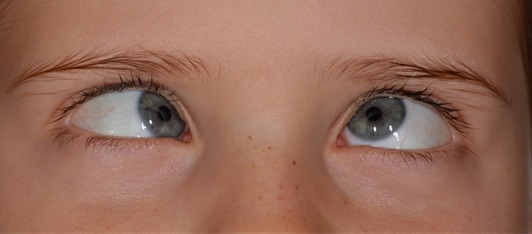
Squint is a condition where both eyes do not look in the same direction at the same time. One eye may turn:
Direction of turn
- Inward (esotropia)
- Outward (exotropia)
- Upward
- Downward
Onset
It may be present from childhood or develop later due to nerve problems, trauma, thyroid disease, or diabetes.
Symptoms of Squint
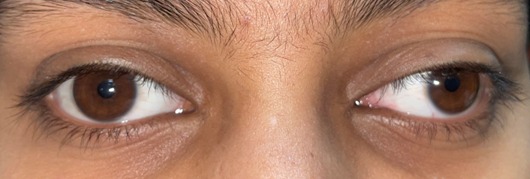
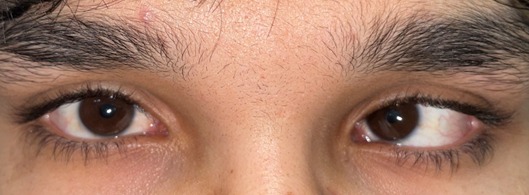
- Visible eye deviation
- Double vision (common in adults)
- Head tilt
- Eye strain or headaches
- Poor depth perception
- Lazy eye (amblyopia) in children
How we diagnose squint
- Detailed eye examination
- Vision testing
- Eye muscle balance assessment
- Binocular vision evaluation
- Refraction testing
In selected cases, neurological or systemic evaluation may be advised.
Treatment options
Treatment depends on age, severity, and cause.
Non‑Surgical Treatment
- Glasses for refractive errors
- Prism glasses
- Amblyopia therapy (patching)
- Eye exercises (selected cases)
- Botox injections (certain cases)
Squint Surgery
Surgery corrects the imbalance of eye muscles by adjusting their position and strength. It is:
- Safe and precise
- Performed under anaesthesia
- Often a daycare procedure
- Highly successful when done at the right time
Early treatment in children gives the best visual outcomes.


When should you seek treatment?
- Child’s eyes appear misaligned
- Persistent double vision
- Sudden onset squint
- Head tilt in photographs
- Poor academic performance due to visual strain
Why choose Aram Advanced Healthcare for Squint treatment?
- Paediatric and adult squint management
- Modern surgical techniques
- Comprehensive binocular vision evaluation
- Safe daycare surgical facility
- Individualized treatment planning
We focus on restoring both alignment and functional vision.
Frequently Asked Questions
Yes. Squint is more common in children and may affect vision development if not treated early. Early diagnosis improves long-term visual outcomes.
Yes. Adults can develop squint due to nerve palsy, diabetes, thyroid disease, trauma, or sudden muscle imbalance. Adult squint may cause double vision.
No. Squint usually does not correct itself. Early evaluation by an eye specialist is important to prevent complications like lazy eye (amblyopia).
Yes. Squint surgery is a safe and well-established procedure when performed by experienced surgeons. It involves adjusting the eye muscles to improve alignment.
Squint surgery can be performed in children as young as a few months old if required. Early treatment often gives better binocular vision development.
No. The surgery is performed under anaesthesia. Mild discomfort or redness may be present for a few days after surgery.
Most patients recover within 1–2 weeks. Children usually resume normal activities quickly. Temporary redness may last for a few weeks.
Squint surgery improves eye alignment. Vision improvement depends on factors like age and presence of amblyopia. Early treatment gives better visual outcomes.
In some cases, minor residual deviation may occur. Regular follow-up helps monitor alignment. Occasionally, additional treatment may be needed.
No. Some cases can be managed with glasses, prism correction, amblyopia therapy (patching), or eye exercises. Surgery is recommended when non-surgical options are insufficient.