Thyroid Disorders
Thyroid Swellings (Neck Lump Due to Thyroid Enlargement) management in Puducherry
A thyroid swelling refers to an abnormal enlargement of the thyroid gland, located in the front of the neck. At Aram Advanced Healthcare, our ENT & Head & Neck surgeon provides a comprehensive approach for evaluation and management of surgical thyroid swellings.
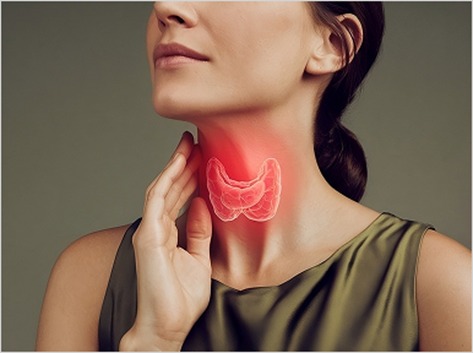
What is a Thyroid Swelling?
A thyroid swelling may present as:
- A visible lump in the front of the neck
- A generalized enlargement of the gland (goiter)
- A single nodule
- Multiple nodules
It may or may not be associated with changes in thyroid hormone levels.
Common Causes
- Iodine deficiency
- Benign thyroid nodules
- Multinodular goiter
- Thyroid cysts
- Inflammatory conditions (thyroiditis)
- Hyperthyroidism / hypothyroidism
- Thyroid cancer (rare but important to rule out)
Symptoms of Thyroid Swelling
Some patients may have no symptoms apart from a neck lump. Others may experience:
- Visible or palpable neck swelling
- Difficulty swallowing
- Breathing discomfort (in large swellings)
- Change in voice or hoarseness
- Hyperthyroidism symptoms (weight loss, palpitations, anxiety, sweating)
- Hypothyroidism symptoms (weight gain, fatigue, hair fall, cold intolerance)
Evaluation and Diagnosis
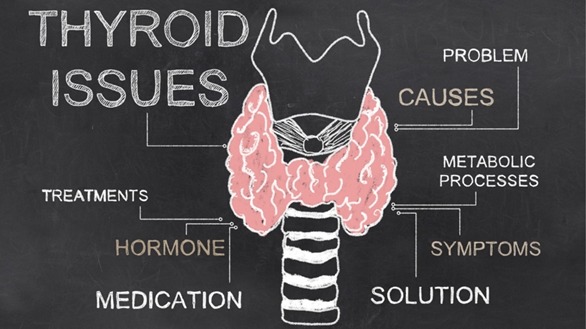
A detailed clinical examination is the first step. Investigations may include:
- Thyroid function tests (T3, T4, TSH)
- Ultrasound scan of the neck
- Fine Needle Aspiration Cytology (FNAC)
- CT scan (for large or retrosternal goiter)
These tests help determine whether the swelling is benign, hormonal, inflammatory, or suspicious for malignancy.
Treatment Options
Treatment depends on the underlying cause:
1. Observation
Small, benign nodules without symptoms may only require regular monitoring.
2. Medical Management
Hormonal imbalances can often be treated with medications.
3. Surgical Treatment
Surgery (thyroidectomy) may be recommended if:
- The swelling is large
- There are pressure symptoms
- FNAC suggests malignancy
- There is cosmetic concern
- Hyperthyroidism is not controlled with medication
Thyroidectomy (Thyroid Surgery)
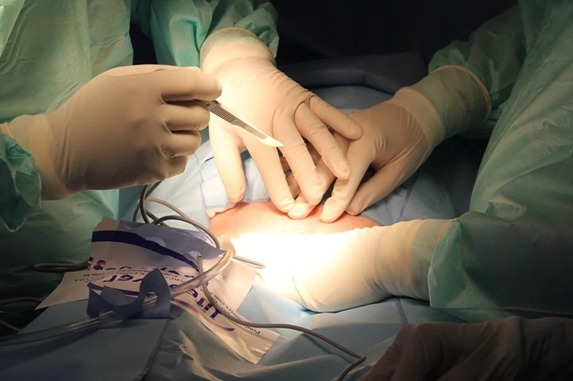
Thyroidectomy is a surgical procedure performed to remove all or part of the thyroid gland.
Types of Thyroidectomies
Hemithyroidectomy
Removal of one lobe – for single nodules or indeterminate FNAC.
Total Thyroidectomy
Removal of entire gland – for cancer or large multinodular goiter.
Near total / Subtotal
Removal of most thyroid tissue, leaving a small remnant.
The Procedure
- Performed under general anesthesia
- Small incision in a natural skin crease in the lower neck
- Thyroid gland carefully removed
- Special care to preserve recurrent laryngeal nerve (voice) and parathyroid glands (calcium)
- Duration: 1–3 hours depending on complexity
Recovery After Thyroidectomy
- Hospital stay: 1–2 days
- Mild pain or discomfort (manageable)
- Normal activities resume within 1–2 weeks
- If total thyroidectomy, lifelong thyroid hormone replacement required
- Scar heals well and becomes minimally visible over time
Possible Risks (Uncommon with Experienced Surgeons)
- Temporary or permanent voice change
- Low calcium levels (usually temporary)
- Bleeding or infection
- Scar formation
With modern surgical techniques and proper postoperative care, complications are rare.
Benefits of Thyroidectomy
When to Consult a Doctor
- Persistent neck swelling
- Rapid increase in size
- Voice changes
- Difficulty swallowing/breathing
- Family history of thyroid cancer
Expert Care for Thyroid Disorders
At Aram Advanced Healthcare, we provide comprehensive evaluation and management of thyroid swellings with advanced diagnostic facilities and safe surgical techniques. Our goal is accurate diagnosis, personalized treatment, and optimal cosmetic and functional outcomes.
If you notice a thyroid swelling or have thyroid-related symptoms, schedule a consultation with us for expert assessment and care.
Frequently Asked Questions
No, more than 90% of thyroid nodules are benign. However, proper evaluation with ultrasound and FNAC is essential to rule out malignancy.
If the entire thyroid is removed (total thyroidectomy), lifelong thyroid hormone replacement is necessary. After partial removal, some patients may still need medication depending on residual function.
Most patients stay for 1–2 days. Some may be discharged the same day for smaller procedures.
The incision is placed in a natural skin crease and heals well. Over time, the scar becomes faint and less noticeable.
If only part of the gland is removed, the remaining tissue may enlarge again in some cases. Total thyroidectomy eliminates this risk.